
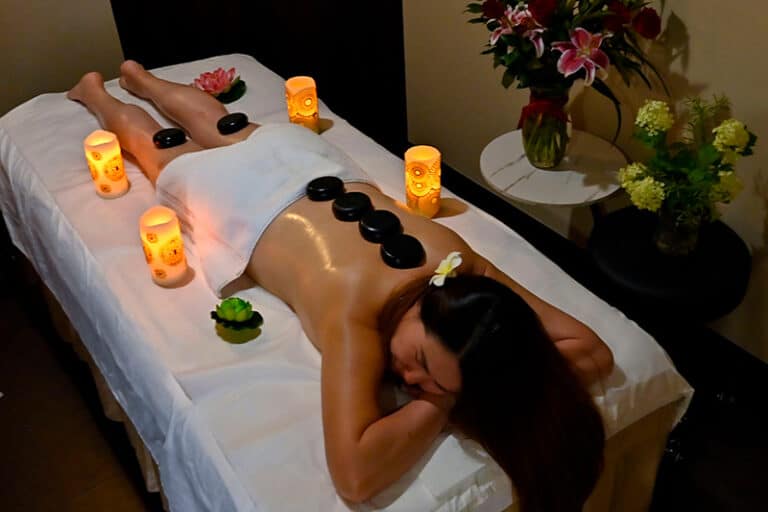
If you live in Centennial, Highlands Ranch, or the surrounding South Denver metro area, you’re probably no stranger to the demands of a busy life. Between work, family, and everything in between, it’s easy to find yourself lying awake at night with a racing mind or feeling on edge during the day. You’re not alone. Anxiety and sleep problems often go hand in hand, and they can create a frustrating cycle that’s tough to break.
Here’s the good news: massage therapy offers a natural, effective way to address both issues at once. At Li’s Massage Therapy and Reflexology, we’ve seen firsthand how regular massage can help our clients from Highlands Ranch, Centennial, Littleton, and Lone Tree find relief from stress and finally get the restful sleep they deserve. Let’s take a closer look at how this works and why it might be exactly what you need.
Key Takeaways
- Massage therapy can lower cortisol levels by up to 30%, helping reduce anxiety and promote a calmer state of mind.
- Therapeutic massage activates the parasympathetic nervous system, slowing heart rate and allowing your body to shift into rest mode.
- Regular massage improves sleep quality by releasing muscle tension, promoting deeper restorative sleep stages, and supporting natural melatonin production.
- Swedish, deep tissue, and aromatherapy massages are particularly effective for reducing anxiety and improving sleep.
- Consistency is key—weekly sessions for the first month or two provide cumulative benefits that retrain your nervous system toward relaxation.
- Pairing massage therapy with good sleep hygiene, hydration, and deep breathing maximizes its anxiety-relieving and sleep-enhancing effects.
Understanding the Connection Between Anxiety and Sleep Problems
Before we jump into how massage therapy can help, it helps to understand why anxiety and sleep problems are so closely linked. When you’re anxious, your body stays in a heightened state of alertness. Your heart rate increases, your muscles tense up, and your mind keeps churning through worries. This is your body’s stress response doing its job, but it’s not exactly conducive to drifting off to sleep.
The main culprit here is cortisol, often called the “stress hormone.” When anxiety keeps cortisol levels elevated, it disrupts your natural sleep-wake cycle. You might find yourself tossing and turning, waking up frequently, or struggling to fall asleep in the first place.
And here’s where it gets tricky: poor sleep actually makes anxiety worse. When you don’t get enough quality rest, your brain has a harder time regulating emotions and managing stress. So you end up more anxious, which leads to worse sleep, which leads to more anxiety. It’s a vicious cycle that many of our clients in Centennial and Highlands Ranch describe when they first come to see us.
Breaking this cycle requires addressing both the physical and mental components of stress. That’s where massage therapy comes in.
How Massage Therapy Reduces Anxiety
So how exactly does lying on a massage table help calm an anxious mind? It comes down to how your body responds to therapeutic touch. Massage therapy doesn’t just feel good: it triggers real physiological changes that work against anxiety.
The Role of Cortisol and Stress Hormones
Remember that cortisol we mentioned? Research shows that massage therapy can lower cortisol levels by up to 30%. That’s a significant drop, and you can often feel the difference after just one session. When cortisol decreases, you feel calmer, less on edge, and more able to cope with daily stressors.
But the benefits don’t stop there. Massage also reduces norepinephrine, another stress-related hormone that contributes to that “fight or flight” feeling. At the same time, it boosts production of serotonin and dopamine, the neurotransmitters responsible for feelings of well-being and happiness. Think of it as your body’s natural mood-boosting system getting a helpful nudge in the right direction.
Many of our clients notice they feel lighter and more relaxed after their appointments. It’s not just in their heads: their body chemistry is actually shifting toward a calmer state.
Activating the Parasympathetic Nervous System
Your nervous system has two main modes: sympathetic (fight or flight) and parasympathetic (rest and digest). Anxiety keeps you stuck in that sympathetic state, always alert and ready to respond to threats, even when there aren’t any real ones.
Massage therapy activates your parasympathetic nervous system. The pressure and manipulation of soft tissue sends signals to your brain that it’s safe to relax. Your heart rate slows down. Your blood pressure drops. Your breathing deepens. Your muscles release the tension they’ve been holding.
One study found that massage can increase something called “Sleep Latency N1” by 26%, which basically means it helps you fall asleep faster. This happens because your body shifts out of that alert, anxious state and into a mode that’s actually compatible with rest.
For residents of Highlands Ranch, Centennial, and nearby communities like Littleton and Lone Tree, having access to skilled massage therapists who understand these principles can make a real difference in managing daily stress.
Why Massage Therapy Improves Sleep Quality
Getting to sleep is one thing, but staying asleep and waking up refreshed is another. Massage therapy helps with the full picture of sleep quality, not just falling asleep faster.
First, there’s the muscle relaxation factor. If you carry tension in your neck, shoulders, or back (and most of us do), that physical discomfort can keep waking you up throughout the night, even if you don’t fully realize it. Massage releases that tension, allowing your body to truly rest.
Second, massage promotes deeper sleep. Studies have shown that people who receive regular massage therapy spend more time in the restorative stages of sleep. This is when your body repairs tissues, consolidates memories, and recharges for the next day. More deep sleep means you wake up feeling genuinely rested, not just like you put in the hours.
Third, if you’re dealing with chronic pain from conditions like arthritis or old injuries, massage can provide relief that translates directly to better sleep. Pain is one of the most common sleep disruptors, and addressing it through therapeutic massage can break that barrier.
There’s also an interesting connection between serotonin and melatonin. Serotonin is a precursor to melatonin, the hormone that regulates your sleep-wake cycle. By boosting serotonin production, massage indirectly supports your body’s natural melatonin production. It’s like giving your internal clock a tune-up.
At Li’s Massage Therapy and Reflexology, our therapists work with you to identify where you’re holding tension and what might be contributing to your sleep difficulties. Whether it’s a full-body massage, deep tissue work, or reflexology targeting specific pressure points, we customize each session to address your needs.
Best Types of Massage for Anxiety and Sleep
Not all massages are created equal, and different techniques offer different benefits when it comes to anxiety and sleep. Here’s a breakdown of some options that work particularly well.
Swedish Massage
Swedish massage is what most people picture when they think of a relaxation massage. It uses long, flowing strokes, kneading, and gentle circular movements to promote overall relaxation. This style is excellent for activating the parasympathetic nervous system and lowering cortisol levels.
If you’re new to massage or especially sensitive to pressure, Swedish massage is a great starting point. It’s soothing without being intense, making it ideal for anxiety relief and pre-bedtime relaxation.
Deep Tissue Massage
For those dealing with chronic muscle tension or pain that’s interfering with sleep, deep tissue massage targets the deeper layers of muscle and connective tissue. It uses slower strokes and more direct pressure to work out stubborn knots and adhesions.
While deep tissue work can feel more intense during the session, the relief it provides can significantly improve sleep quality. When your muscles finally let go of that chronic tension, your body can relax more fully at night. This is particularly helpful for clients who sit at desks all day or engage in physical work that leaves them stiff and sore.
Aromatherapy Massage
Aromatherapy massage combines traditional massage techniques with essential oils chosen for their calming properties. Scents like lavender, chamomile, and bergamot have been shown to reduce anxiety and promote relaxation.
The combination of therapeutic touch and calming aromas creates a multi-sensory experience that can enhance the anxiety-reducing and sleep-promoting effects of massage. It’s a nice option if you enjoy pleasant scents and want to add another layer to your relaxation routine.
We also offer Thai massage, reflexology, and combination massages that can be tailored to your specific concerns. Our therapists communicate with clients throughout each session to find what works best, whether that’s focusing on particular problem areas or adjusting pressure levels.
How Often Should You Get a Massage for Anxiety Relief
One massage can certainly make you feel better in the moment, but the real benefits of massage therapy for anxiety and sleep come with consistency. Think of it like exercise: a single workout is nice, but regular workouts are what actually change your fitness level.
For most people dealing with ongoing anxiety or sleep issues, we recommend starting with weekly sessions for the first month or two. This allows your body to experience cumulative benefits. Each session builds on the last, helping to retrain your nervous system toward a calmer baseline.
Once you notice significant improvement, you might transition to every two weeks or monthly sessions for maintenance. The right frequency depends on your individual situation, how much stress you’re under, and how quickly symptoms return between sessions.
Some clients find that pairing massage with other wellness practices amplifies the benefits. Regular exercise, mindfulness practices, and good sleep hygiene all work together with massage therapy to keep anxiety in check.
The key is finding a schedule that’s sustainable for you. A massage every few weeks that you actually stick with will do more good than an ambitious weekly plan that you abandon after a month. We’re happy to work with clients to find a rhythm that fits their lifestyle and budget.
Tips for Maximizing the Benefits of Massage Therapy
To get the most out of your massage sessions for anxiety and sleep, keep these tips in mind:
- Communicate with your therapist. Let them know you’re focused on reducing anxiety and improving sleep. This helps them choose techniques and focus areas that support those goals. If something doesn’t feel right or you’d like more or less pressure, speak up.
- Don’t rush afterward. If possible, schedule your massage so you don’t have to jump straight back into stressful activities. Give yourself time to stay in that relaxed state. Evening appointments can be especially helpful if sleep is your main concern.
- Stay hydrated. Drink plenty of water before and after your massage. This helps flush out toxins released during the session and can reduce any post-massage soreness.
- Practice deep breathing. During your massage, focus on slow, deep breaths. This enhances the parasympathetic response and helps you relax more deeply.
- Maintain good sleep hygiene. Massage works best as part of an overall approach to better sleep. Keep a consistent bedtime, limit screens before bed, and make your bedroom a comfortable environment for rest.
- Be patient and consistent. Give it a few sessions before judging the results. Some people notice immediate improvements, while others need a bit more time for the cumulative effects to kick in.
- Choose qualified therapists. Working with licensed, experienced massage therapists ensures you receive safe, effective treatment. Our highly qualified team specializes in numerous massage techniques and understands how to target pain, stress, and sleep concerns.
Conclusion
Living with anxiety and poor sleep doesn’t have to be your normal. Massage therapy offers a proven, natural way to break the cycle by lowering stress hormones, activating your body’s relaxation response, and releasing the physical tension that keeps you awake at night.
Whether you’re in Centennial, Highlands Ranch, Littleton, or Lone Tree, quality massage therapy is within reach. At Li’s Massage Therapy and Reflexology, we’re committed to helping our neighbors restore their physical and psychological wellness through expert, personalized care.
Ready to experience the difference for yourself? Give us a call or book an appointment online. Your path to better sleep and less anxiety might just be a massage away.
Frequently Asked Questions
How does massage therapy help reduce anxiety?
Massage therapy reduces anxiety by lowering cortisol levels by up to 30% and decreasing norepinephrine, the hormone responsible for fight-or-flight responses. It also boosts serotonin and dopamine production, promoting feelings of well-being while activating the parasympathetic nervous system to help your body shift into a calmer, more relaxed state.
Can massage therapy improve sleep quality?
Yes, massage therapy improves sleep quality by releasing muscle tension, promoting deeper restorative sleep stages, and boosting serotonin production, which supports natural melatonin levels. Studies show massage can increase sleep latency by 26%, helping you fall asleep faster and wake up feeling more refreshed.
What type of massage is best for anxiety and sleep problems?
Swedish massage is ideal for relaxation and lowering cortisol, making it excellent for anxiety relief. Deep tissue massage works well for chronic tension interfering with sleep, while aromatherapy massage with calming scents like lavender enhances relaxation. Your therapist can recommend the best option based on your specific needs.
How often should I get a massage for anxiety relief?
For ongoing anxiety or sleep issues, weekly sessions for the first one to two months are recommended to build cumulative benefits. Once you notice improvement, transitioning to every two weeks or monthly maintenance sessions works well. Consistency matters more than frequency—find a sustainable schedule that fits your lifestyle.
Why do anxiety and sleep problems often occur together?
Anxiety keeps cortisol levels elevated, disrupting your natural sleep-wake cycle and making it difficult to fall or stay asleep. Poor sleep then impairs your brain’s ability to regulate emotions, increasing anxiety. This creates a vicious cycle where each condition worsens the other, requiring approaches that address both simultaneously.
Are there natural ways to reduce cortisol levels without medication?
Yes, massage therapy is a proven natural method to reduce cortisol by up to 30%. Other effective approaches include regular exercise, mindfulness practices, deep breathing exercises, and maintaining good sleep hygiene. Combining massage with these lifestyle habits can amplify stress-reducing benefits and support long-term anxiety management.
