
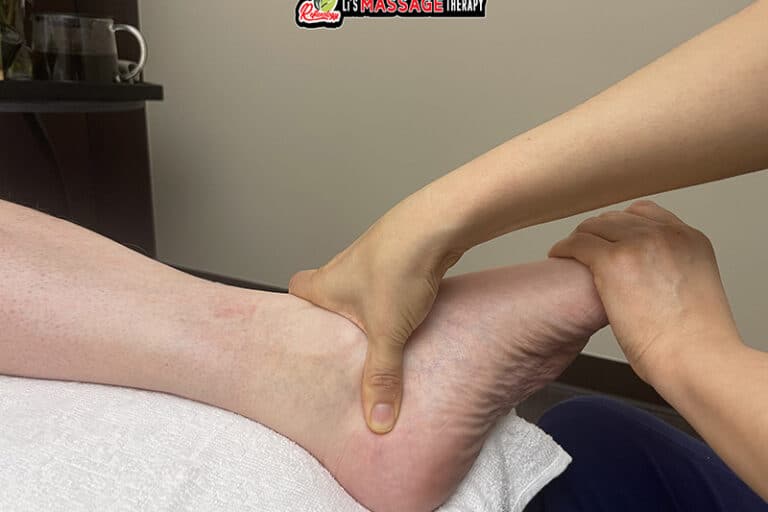
If you’ve ever wondered why a simple foot rub feels so incredibly relaxing, reflexology offers some fascinating answers. This ancient practice goes far beyond a standard massage, it’s a therapeutic technique rooted in the belief that specific points on your feet, hands, and ears correspond directly to organs and systems throughout your body.
At Li’s Massage Therapy and Reflexology, we’ve witnessed firsthand how regular reflexology sessions transform our clients’ overall well-being. From reduced chronic pain to better sleep and improved mental clarity, the health benefits of reflexology extend into nearly every aspect of daily life. Whether you’re dealing with stress, physical discomfort, or simply want to optimize your health, understanding what reflexology can do for you is the first step toward feeling better.
In this guide, we’ll walk you through exactly how reflexology works, the science-backed benefits you can expect, and what your first session will look like. Let’s explore why so many people in Centennial and Highlands Ranch are making reflexology a regular part of their wellness routine.
What Is Reflexology and How Does It Work
Reflexology is a specialized form of therapeutic touch based on the theory that your hands, feet, and ears are connected to specific organs and body systems. Unlike a traditional massage that focuses primarily on muscle relaxation, reflexology targets precise pressure points believed to influence corresponding areas throughout your body.
The practice has roots in ancient Chinese medicine and has been refined over thousands of years. When a trained reflexologist applies pressure to certain zones on your feet or hands, that stimulation is thought to send signals through the nervous system, encouraging healing responses in related organs and glands. It’s a holistic approach, meaning we treat the whole person, not just isolated symptoms.
Think of your feet as a detailed map of your entire body. The toes correspond to your head and brain, the ball of your foot relates to your chest and lungs, and your heel connects to your lower back and intestines. By systematically working through these zones, reflexologists aim to restore balance and promote the body’s natural healing capabilities.
Key Pressure Points and Their Connections
Understanding the major reflexology points helps explain why this practice can address such a wide range of health concerns:
- The big toe maps to the brain and head, making it a focus area for headaches and mental clarity
- The arch of the foot corresponds to digestive organs like the stomach, pancreas, and kidneys
- The ball of the foot connects to the heart and lungs, supporting cardiovascular and respiratory health
- The heel relates to the sciatic nerve and lower body, often targeted for back pain relief
- The outer edge of the foot links to the shoulders, arms, and hips
Our massage therapists at Li’s Massage Therapy and Reflexology are trained to identify areas of tenderness or tension in these zones, which may indicate imbalances in the corresponding body systems. By applying targeted pressure, we work to release blockages and encourage energy flow throughout your body.
Physical Health Benefits of Reflexology
The physical health benefits of regular reflexology sessions are both varied and well-documented. Many of our clients initially come to us for one specific issue, say, chronic foot pain or tension headaches, only to discover improvements in areas they hadn’t expected.
Reflexology works by stimulating nerve endings and improving blood flow, which supports your body’s natural ability to heal and regulate itself. While it’s not a replacement for medical treatment, it serves as an excellent complementary therapy that enhances overall physical wellness.
Pain Relief and Improved Circulation
One of the most immediate benefits our clients notice is significant pain relief. Whether you’re dealing with migraines, neck tension, or lower back discomfort, reflexology can help reduce pain intensity and frequency.
Here’s how it works: when we apply pressure to specific reflex points, it triggers the release of endorphins, your body’s natural painkillers. This response can ease chronic pain conditions and reduce dependence on over-the-counter medications for many people.
Improved circulation is another major benefit. The pressure techniques used in reflexology help move blood through congested areas, delivering more oxygen and nutrients to cells while flushing out metabolic waste. Better circulation supports:
- Faster healing from injuries or surgery
- Reduced swelling in feet and ankles
- Warmer extremities (great for those who always have cold feet.)
- More efficient delivery of nutrients throughout your body
Many clients who work on their feet all day or sit at desks for hours find that regular reflexology sessions dramatically improve how their legs and feet feel by day’s end.
Better Sleep and Digestive Function
Struggling to get quality sleep? You’re not alone, and reflexology might be the solution you’ve been searching for. By promoting deep relaxation and reducing stress hormones like cortisol, reflexology helps prepare your body for restful sleep.
We often focus on the solar plexus point (located in the center of the foot) and the pineal gland reflex (on the big toe) to encourage better sleep patterns. Clients frequently report falling asleep faster, staying asleep longer, and waking up feeling more refreshed after incorporating reflexology into their routine.
Digestive issues also respond well to reflexology. The reflex points along the arch of your foot correspond to your digestive tract, and stimulating these areas can help with:
- Bloating and gas
- Constipation
- Acid reflux
- General digestive discomfort
By encouraging relaxation in the smooth muscles of the digestive system and supporting proper nerve function, reflexology helps your gut work more efficiently. It’s one of those benefits that clients don’t always expect but are thrilled to experience.
Mental and Emotional Wellness Benefits
We can’t separate physical health from mental and emotional well-being, they’re deeply interconnected. That’s why reflexology’s impact on stress, anxiety, and emotional balance is just as significant as its physical benefits.
In our fast-paced world, chronic stress has become almost normal. But “normal” doesn’t mean healthy. Prolonged stress contributes to everything from heart disease to weakened immunity. Reflexology offers a powerful antidote by activating your parasympathetic nervous system, the “rest and digest” mode that allows your body to recover and heal.
During a reflexology session, your heart rate slows, blood pressure decreases, and stress hormones drop. Many clients describe entering a deeply meditative state, even if they’ve never been able to meditate on their own. This profound relaxation carries benefits that last well beyond your appointment.
Anxiety and depression also respond positively to regular reflexology. While it’s not a substitute for professional mental health treatment, it can be a valuable complementary approach. The human touch involved in reflexology releases oxytocin, the “bonding hormone”, which promotes feelings of calm, trust, and emotional connection.
We’ve seen clients who carry enormous amounts of tension finally let go during their sessions. There’s something about having someone focus completely on your well-being for an hour that reminds you to slow down and take care of yourself. That mental shift alone can be transformative.
Emotional benefits our clients commonly report include:
- Reduced feelings of overwhelm
- Improved mood and outlook
- Greater mental clarity and focus
- Enhanced ability to cope with daily stressors
- A general sense of emotional balance
At Li’s Massage Therapy and Reflexology, we create a calming environment where you can truly disconnect from the outside world. Our therapists communicate with you throughout the session to ensure your comfort, adjusting pressure and technique based on your feedback.
How Often Should You Schedule Reflexology Sessions
This is one of the most common questions we hear, and honestly, the answer depends on your individual health goals and current condition.
For general wellness and stress management, we typically recommend starting with weekly sessions for the first four to six weeks. This allows your body to respond to the treatment and establishes a foundation of balance. After that initial period, many clients transition to bi-weekly or monthly maintenance sessions.
If you’re dealing with a specific health concern, chronic pain, severe anxiety, digestive issues, or recovery from injury, more frequent sessions may be beneficial initially. Some clients see us twice a week until their symptoms improve, then gradually reduce frequency.
Here’s a general guideline based on your goals:
| Goal | Recommended Frequency |
|---|---|
| Acute pain or specific health issue | 2x per week initially |
| Chronic conditions | Weekly for 6-8 weeks, then adjust |
| Stress management | Weekly or bi-weekly |
| General wellness maintenance | Monthly |
Consistency matters more than frequency in many cases. A monthly reflexology session that you actually keep is more valuable than weekly appointments you can’t maintain. We encourage our clients to find a schedule that fits their lifestyle and budget, then stick with it.
The cumulative effect of regular reflexology is where the real magic happens. Each session builds on the previous one, and over time, your body becomes more responsive to treatment. Clients who commit to regular sessions often report that they need less frequent appointments as their overall health improves.
We’re always happy to discuss what schedule makes sense for your specific situation. Our goal is to help you optimize your health for a better everyday life, not to book unnecessary appointments.
What to Expect During Your First Appointment
Feeling a little nervous about your first reflexology session? That’s completely normal. Knowing what to expect can help you relax and get the most out of your experience.
When you arrive at Li’s Massage Therapy and Reflexology, we’ll start with a brief consultation. We’ll ask about your health history, any current concerns, and what you hope to achieve through reflexology. This information helps your therapist customize the session to your specific needs. Don’t hold back, the more we know, the better we can serve you.
You’ll remain fully clothed during reflexology, typically removing only your shoes and socks. We’ll have you settle into a comfortable reclining chair or massage table, with pillows positioned to support your body. The room will be quiet and calming, often with soft music and dim lighting to help you unwind.
Your therapist will begin by examining your feet, looking for any areas of concern like calluses, cuts, or sensitive spots to avoid. They’ll then start working through the reflex points systematically, using thumb, finger, and hand techniques to apply pressure.
The pressure should feel firm but not painful. If anything feels uncomfortable, speak up immediately, our therapists adjust their technique based on your feedback throughout the session. Some areas may feel tender, which often indicates an imbalance in the corresponding body part. This tenderness typically decreases with subsequent sessions.
A typical reflexology session at our Centennial and Highlands Ranch locations lasts between 30 and 60 minutes. Many clients feel deeply relaxed during the treatment, some even fall asleep. Afterward, you might feel:
- Relaxed and slightly drowsy
- Lighter and more energized
- Thirsty (drink plenty of water.)
- A mild emotional release
We recommend taking it easy for the rest of the day after your first session. Your body is processing the treatment, and rest helps maximize the benefits. Avoid alcohol and heavy meals, and pay attention to how you feel over the next few days, this feedback is valuable for planning future sessions.
Conclusion
The health benefits of regular reflexology sessions extend far beyond simple relaxation. From pain relief and improved circulation to better sleep, enhanced digestion, and greater emotional balance, this ancient practice offers a comprehensive approach to wellness that addresses body and mind together.
What makes reflexology particularly valuable is its accessibility. It’s non-invasive, suitable for most people, and produces benefits that compound over time with consistent sessions. Whether you’re managing a chronic condition or simply want to feel your best, reflexology provides a path toward optimal health.
At Li’s Massage Therapy and Reflexology, our licensed massage therapists bring expertise and genuine care to every session. We’ve built our practice on the belief that everyone deserves personalized attention and effective treatment. Our clients in Centennial and Highlands Ranch, Colorado keep coming back because they experience real results, less pain, better sleep, reduced stress, and an overall improved quality of life.
Ready to experience these benefits for yourself? We invite you to book an appointment and discover what regular reflexology can do for your health. Your body has an incredible capacity to heal and restore itself, sometimes it just needs a little help finding balance. Call us today or schedule online, and take the first step toward feeling better than you have in years.
