
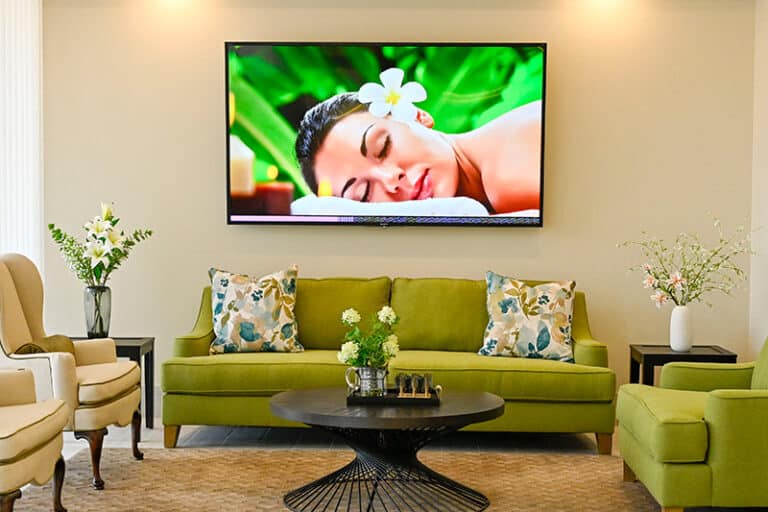
If you’ve ever walked out of a salon feeling like your scalp could finally breathe, you already know how good it feels when someone pays attention to that often-neglected part of your body. Now imagine that experience taken to the next level with warm water, herbal steam, and targeted massage techniques designed specifically for scalp and hair health. That’s what head water massage is all about.
At Li’s Massage Therapy and Reflexology, we’re excited to offer this new treatment to our clients in Centennial and Highlands Ranch, Colorado. It’s essentially a facial for your scalp and hair, and people are quickly discovering why this service has become one of the most requested additions to wellness routines across the country. Whether you’re dealing with a dry, itchy scalp, noticing more hair in your brush than usual, or simply looking for a way to unwind after a long week, head water massage might be exactly what you need.
Key Takeaways
- Head water massage combines traditional scalp massage with herbal steam, hydrotherapy rinses, and nourishing treatments for comprehensive scalp and hair health.
- Unlike regular scalp massage, head water massage uses steam to open pores and follicles, allowing products to penetrate more deeply and flush away toxins.
- The treatment boosts blood circulation to hair follicles, delivering oxygen and essential nutrients that support healthier, stronger hair growth.
- Head water massage effectively removes product buildup, balances scalp pH levels, and soothes irritation without stripping natural moisture.
- People with dry or itchy scalps, thinning hair, product buildup, or high stress levels tend to see the most benefit from regular head water massage sessions.
- You can maintain results at home with scalp massages during shampooing, warm water rinses, and DIY steam treatments between professional sessions.
What Is Head Water Massage?
Head water massage combines traditional scalp massage with water-based therapies like herbal steaming, hydrotherapy rinses, and nourishing treatments. The practice draws heavily from Japanese and Korean head spa traditions, which have been popular in Asia for decades and are now gaining serious traction here in the U.S.
During a typical session, your therapist will use warm water, specialized serums, and gentle massage techniques to cleanse and rejuvenate your scalp. Think of it as a deep reset for the skin on your head. The combination of heat, moisture, and skilled touch helps remove buildup, balance your scalp’s natural oils, and leave your hair looking healthier and more vibrant.
How It Differs From Traditional Scalp Massage
A traditional scalp massage focuses primarily on manual stimulation. Your therapist uses their fingers to apply pressure, increase circulation, and help you relax. It feels great, and it definitely has benefits.
Head water massage takes things further. The addition of water elements like steam, herbal rinses, and sometimes even microneedling creates a more comprehensive treatment. The steam opens up your pores and hair follicles, allowing products to penetrate more deeply. The water rinses help flush away toxins and buildup without stripping your scalp of its natural moisture.
It’s the difference between washing your face with a quick splash of water versus doing a full skincare routine with cleansing, toning, and moisturizing. Both have their place, but one goes deeper.
Benefits for Scalp Health
Your scalp is skin, and like the skin on your face, it needs proper care. Many people in Highlands Ranch and the surrounding areas of Littleton and Lone Tree deal with scalp issues they’ve simply learned to live with. Dryness, flakiness, itchiness, or that tight feeling after a long day. Head water massage addresses these concerns directly.
The treatment helps remove excess oil, dead skin cells, and product buildup that accumulates over time. It also balances your scalp’s pH levels and soothes inflammation. If you’ve been dealing with irritation or sensitivity, the hydrating oils and serums used during the massage can provide real relief.
Improved Blood Circulation
One of the most significant benefits of head water massage is the boost it gives to blood circulation in your scalp. When blood flows freely to your hair follicles, it delivers oxygen and essential nutrients that support healthy hair growth.
The massage techniques used during treatment stimulate blood vessels in the scalp, encouraging better circulation. Combined with the warming effects of steam and water, this creates an environment where your follicles can function at their best. Many clients notice their scalp feels more alive and energized after just one session.
Deep Cleansing and Product Buildup Removal
Let’s be honest. Most of us use more hair products than we probably should. Dry shampoo, styling sprays, serums, and treatments all leave residue behind. Over time, this buildup can clog your follicles and make your hair look dull and lifeless.
Head water massage uses hydrotherapy and steam to detoxify your scalp without the harshness of clarifying shampoos that can strip away moisture. The warm water opens your pores, and the massage helps work out impurities that regular washing just can’t reach. For anyone in Centennial who’s ever wondered why their hair doesn’t look as good as it used to, product buildup is often the culprit.
How Head Water Massage Promotes Hair Growth
If you’re concerned about thinning hair or noticing more strands in your shower drain than you’d like, head water massage offers some real hope. The treatment works on multiple levels to create conditions favorable for hair growth.
First, there’s the circulation factor we mentioned earlier. Better blood flow means your follicles receive more of the nutrients they need to produce strong, healthy hair. When follicles are starved of oxygen and nutrients, hair becomes thin, weak, and prone to falling out.
Second, head water massage stimulates the follicles directly. The combination of manual massage and hydrotherapy essentially wakes up dormant follicles and encourages them to enter the active growth phase. This doesn’t happen overnight, but with regular treatments, many people see noticeable improvement in hair thickness and fullness.
The deep cleansing aspect matters here too. When your follicles are clogged with buildup, it’s harder for new hair to push through. By keeping your scalp clean and healthy, you’re removing obstacles to natural growth.
We’ve had clients from Highlands Ranch and Centennial tell us they noticed less hair in their brush after incorporating head water massage into their routine. While results vary from person to person, the science behind the treatment is sound.
Different Techniques and Tools Used
Head water massage isn’t a one-size-fits-all treatment. Different techniques and tools can be used depending on your specific needs and goals. Here’s what you might encounter during a session:
- Scalp acupressure and meridian massage: Based on traditional Chinese medicine principles, this technique targets specific pressure points on the scalp to release tension and promote energy flow throughout the body.
- Herbal steam therapy: Warm steam infused with herbs opens pores and follicles while delivering therapeutic benefits directly to the scalp.
- Hydrotherapy rinses and tonics: Specialized water-based treatments that cleanse, balance, and nourish the scalp.
- Microneedling: Some advanced treatments include gentle microneedling to create tiny channels in the scalp, allowing serums and treatments to absorb more effectively.
At Li’s Massage Therapy and Reflexology, our highly qualified massage therapists communicate with each client throughout their session to find what works best for them. We understand that someone dealing with an oily scalp needs a different approach than someone with dry, flaky skin. That personalized attention is what makes the difference between a good treatment and a great one.
How to Try Head Water Massage at Home
While nothing replaces a professional treatment, you can incorporate some elements of head water massage into your home routine between sessions.
Start by massaging your scalp with your fingertips during shampooing. Use gentle circular motions and apply moderate pressure. Spend at least two to three minutes doing this rather than rushing through your wash routine. This simple step can significantly improve circulation to your follicles.
Warm water rinses help too. After shampooing, let warm (not hot) water run over your scalp for a minute or two. This mimics some of the hydrotherapy benefits you’d get during a professional session.
You can also try a DIY steam treatment. Wet a towel with hot water, wring it out, and wrap it around your head for five to ten minutes. This opens your pores and preps your scalp to absorb whatever serum or oil you apply next.
Speaking of oils, applying a lightweight scalp serum or natural oil like jojoba or argan oil after your steam treatment can provide hydration and nourishment. Massage it in gently and leave it for a few minutes before rinsing.
These home practices work well as maintenance between professional sessions, but they can’t fully replicate the expertise and specialized equipment you’ll find at a professional massage therapy practice.
Who Should Consider This Treatment
Head water massage is suitable for just about anyone, but certain people tend to see the most benefit:
- Those with dry or itchy scalps: The hydrating and soothing properties of the treatment can provide significant relief.
- People experiencing thinning hair: The circulation and follicle stimulation benefits support healthier growth patterns.
- Anyone with product buildup: If you use styling products regularly, periodic head water massage can help reset your scalp.
- High-stress individuals: The relaxation benefits alone make this treatment worth considering. Many clients from Littleton and Lone Tree tell us it’s become their favorite way to decompress.
- Those seeking shinier, more vibrant hair: A healthy scalp produces healthier hair. Period.
The treatment works for all hair types and textures. Whether you have fine, straight hair or thick, curly locks, your scalp can benefit from this kind of targeted care.
Regular sessions tend to yield the best results. While you’ll notice a difference after your first treatment, the real transformation happens when head water massage becomes part of your ongoing wellness routine.
Conclusion
Your scalp deserves the same attention you give to the rest of your skin. Head water massage offers a way to address common concerns like dryness, buildup, and thinning hair while providing deep relaxation at the same time. It’s not just a trend. It’s a smart addition to any self-care routine.
At Li’s Massage Therapy and Reflexology, we’re proud to bring this treatment to the communities of Centennial, Highlands Ranch, Littleton, and Lone Tree. Our licensed, professional massage therapists are ready to help you experience the benefits of head water massage firsthand.
Ready to give your scalp and hair the care they deserve? Call us today or book an appointment online. We’ll work with you to find the perfect treatment for your needs.
Frequently Asked Questions
What is head water massage and how does it work?
Head water massage combines traditional scalp massage with water-based therapies like herbal steaming, hydrotherapy rinses, and nourishing treatments. Drawing from Japanese and Korean head spa traditions, it uses warm water, specialized serums, and gentle massage techniques to cleanse, rejuvenate, and balance your scalp for healthier hair.
How does head water massage promote hair growth?
Head water massage boosts blood circulation to hair follicles, delivering essential oxygen and nutrients that support healthy hair growth. It also stimulates dormant follicles, encourages them to enter the active growth phase, and removes product buildup that can block new hair from growing through.
What is the difference between head water massage and traditional scalp massage?
Traditional scalp massage focuses on manual finger pressure to increase circulation and relaxation. Head water massage goes further by adding steam, herbal rinses, and hydrotherapy that open pores and follicles, allowing products to penetrate deeper while flushing away toxins without stripping natural moisture.
How often should you get a head water massage for best results?
While you’ll notice benefits after your first session, regular treatments yield the best results. Most experts recommend scheduling head water massage sessions every 2–4 weeks as part of your ongoing wellness routine to maintain scalp health, manage buildup, and support consistent hair growth.
Can you do head water massage at home between professional sessions?
Yes, you can incorporate elements at home by massaging your scalp with fingertips during shampooing for 2–3 minutes, using warm water rinses, applying hot towel steam treatments, and finishing with lightweight scalp oils like jojoba or argan. These practices help maintain results between professional sessions.
Who benefits most from head water massage treatments?
Head water massage is ideal for people with dry or itchy scalps, those experiencing thinning hair, anyone with product buildup from styling products, high-stress individuals seeking relaxation, and those wanting shinier, more vibrant hair. The treatment works for all hair types and textures.
