
Pregnancy is a beautiful journey, but let’s be honest, it can also be physically and emotionally demanding. Between the back pain, swollen ankles, and hormonal roller coasters, expectant mothers deserve every bit of relief they can get. That’s where prenatal massage comes in.
At Li’s Massage Therapy and Reflexology, we’ve seen firsthand how prenatal massage transforms the pregnancy experience for women in Centennial and Highlands Ranch, Colorado. It’s not just about feeling pampered (though that’s certainly a perk). Prenatal massage offers real, measurable benefits for both mom and baby. In this guide, we’ll walk you through everything you need to know about prenatal massage, from what it actually involves to how to find a qualified therapist who understands the unique needs of pregnancy.
What Is Prenatal Massage?
Prenatal massage is a specialized form of massage therapy designed specifically for expectant mothers. Unlike a standard Swedish or deep tissue massage, prenatal massage takes into account the anatomical changes that occur during pregnancy. Our therapists use modified techniques and positioning to ensure both comfort and safety throughout the session.
During a prenatal massage, you’ll typically lie on your side supported by pillows, or on a specially designed table with cutouts that accommodate a growing belly. The pressure applied is generally gentler than what you’d experience in other massage styles, though we always communicate with clients throughout the session to find what works best for them.
The focus areas often include the lower back, hips, legs, and shoulders, basically, all the spots that tend to bear the brunt of pregnancy-related strain. Sessions can range from 30 minutes to 90 minutes depending on your needs and comfort level.
What makes prenatal massage distinct isn’t just the technique, it’s the understanding behind it. A qualified prenatal massage therapist knows which pressure points to avoid, how hormone levels affect the body’s response to touch, and when certain approaches might be contraindicated. This isn’t something you want to trust to someone without proper training.
Physical Benefits of Prenatal Massage
The physical demands of pregnancy are no joke. Your body is quite literally reshaping itself to accommodate new life, and that process comes with some uncomfortable side effects. Prenatal massage addresses many of these physical challenges directly.
Relief From Back and Joint Pain
As pregnancy progresses, the center of gravity shifts forward. This throws off your posture and places enormous strain on the lower back and pelvis. Add to that the hormone relaxin, which loosens ligaments in preparation for childbirth, and you’ve got a recipe for persistent discomfort.
Prenatal massage targets these overworked muscles and helps release built-up tension. Many of our clients report significant relief after just one session, with cumulative benefits building over time with regular appointments. The gentle manipulation of soft tissues helps ease muscle spasms and reduces pressure on weight-bearing joints.
Sciatica is another common complaint during pregnancy, occurring when the uterus puts pressure on the sciatic nerve. Massage therapy can help reduce inflammation in nearby muscles, which in turn decreases nerve compression and pain radiating down the legs.
Reduced Swelling and Improved Circulation
Edema, that puffy swelling in the hands, feet, and ankles, affects most pregnant women, especially in the third trimester. It happens because of reduced circulation and increased pressure on major blood vessels from the growing uterus.
Prenatal massage stimulates soft tissues and helps reduce fluid collection in swollen joints. By improving lymphatic drainage and blood circulation, massage therapy encourages the body to eliminate excess fluids more efficiently.
Better circulation also means more oxygen and nutrients reaching both mother and baby. Some studies suggest that improved blood flow during pregnancy can contribute to healthier fetal development, though of course, massage is just one piece of the overall prenatal care puzzle.
Emotional and Mental Health Benefits
We talk a lot about the physical aspects of pregnancy, but the emotional journey can be just as challenging. Anxiety about labor, mood swings from hormonal changes, sleep disruptions, these all take a toll on mental wellness.
Prenatal massage has been shown to reduce cortisol (the stress hormone) and increase serotonin and dopamine levels. In practical terms? You’ll likely feel calmer, more balanced, and better equipped to handle the emotional ups and downs of pregnancy.
A 2010 study published in the Journal of Psychosomatic Obstetrics & Gynecology found that women who received regular prenatal massage reported lower levels of depression and anxiety compared to those who didn’t receive massage therapy. The effects weren’t just subjective, researchers also noted differences in stress hormone levels.
There’s also something powerful about taking an hour out of your day just for yourself. Pregnancy can feel all-consuming, with endless appointments, preparations, and physical demands. Prenatal massage offers a chance to slow down, breathe, and reconnect with your body.
Sleep quality often improves as well. Many expectant mothers struggle to find comfortable sleeping positions as their belly grows, and the general aches and pains of pregnancy don’t help. By reducing muscle tension and promoting relaxation, massage can lead to more restful nights, something every pregnant woman could use.
At Li’s Massage Therapy and Reflexology, our highly qualified massage therapists specialize in health-promoting touch designed to help you relax and keep calm. We understand that pregnancy is a time when both physical and psychological wellness matter enormously.
Safety Considerations and Best Practices
Safety is obviously paramount when it comes to prenatal massage. The good news is that, for most healthy pregnancies, massage therapy is perfectly safe and beneficial. But, there are some important considerations to keep in mind.
First, always consult with your healthcare provider before starting prenatal massage, especially if you have any pregnancy complications or high-risk factors. Your OB-GYN or midwife can advise whether massage is appropriate for your specific situation.
Timing matters too. Most massage therapists recommend waiting until the second trimester to begin prenatal massage. The first trimester carries the highest risk of miscarriage, and while there’s no evidence that massage causes pregnancy loss, many practitioners prefer to err on the side of caution.
Positioning during the massage is crucial. Lying flat on your back for extended periods after the first trimester can compress major blood vessels and reduce blood flow to the baby. That’s why prenatal massage typically involves side-lying positions or specialized tables.
Certain essential oils and aromatherapy products should be avoided during pregnancy, as some can trigger contractions or cause other issues. A qualified prenatal massage therapist will know which products are safe to use.
When to Avoid Prenatal Massage
There are situations where prenatal massage isn’t recommended. You should avoid massage or seek specific medical clearance if you:
- Have a high-risk pregnancy
- Are experiencing preterm labor symptoms
- Have preeclampsia or pregnancy-induced hypertension
- Are dealing with severe nausea or vomiting
- Have a condition affecting blood clotting
- Have placenta problems (such as placenta previa)
- Are experiencing any unusual symptoms like vaginal bleeding or severe headaches
When in doubt, always check with your doctor first. And be upfront with your massage therapist about your pregnancy history and any complications, this information helps us provide the safest, most effective treatment possible.
How to Find a Qualified Prenatal Massage Therapist
Not all massage therapists are trained in prenatal techniques, and this is one area where credentials really matter. Here’s what to look for when searching for a prenatal massage therapist:
Specialized training: Look for therapists who have completed specific prenatal massage certification courses. This training covers anatomy changes during pregnancy, contraindications, safe positioning, and appropriate pressure techniques.
Experience: Ask how long they’ve been working with pregnant clients and how frequently they perform prenatal massages. Experience matters when it comes to reading your body’s signals and adapting techniques accordingly.
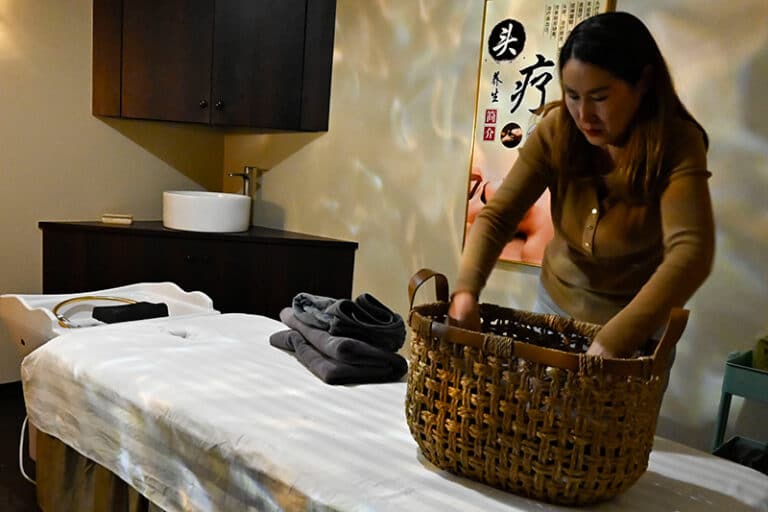
Proper equipment: A qualified prenatal massage therapist should have supportive pillows or bolsters for side-lying positions, or a specially designed pregnancy massage table. Lying flat on your stomach on a regular table isn’t safe or comfortable during pregnancy.
Good communication: The best therapists will ask questions about your pregnancy, any complications, areas of discomfort, and pressure preferences. They should also check in throughout the session to ensure your comfort.
Licensed and insured: Make sure your therapist holds a valid massage therapy license in your state and carries professional liability insurance.
At Li’s Massage Therapy and Reflexology in Centennial and Highlands Ranch, we offer personalized massage sessions tailored to each client’s needs. Our licensed, professional massage therapists know everything about massage techniques and can help relieve pain and stress to restore your physical and psychological wellness. We communicate with clients throughout the session to find what works best for them, because no two pregnancies are exactly alike.
If you’re in the Centennial or Highlands Ranch area and looking for prenatal massage, we’d love to help you feel your best during this special time. Call us today or book an appointment online to schedule your session.
Conclusion
Pregnancy asks a lot of your body, and your mind. Prenatal massage isn’t a luxury: it’s a legitimate tool for managing the physical discomfort and emotional stress that often accompany these nine months. From easing chronic back pain to reducing anxiety and improving sleep, the benefits are backed by both research and the countless expectant mothers who’ve experienced them firsthand.
The key is finding a qualified therapist who understands the unique demands of pregnancy and can adapt their approach to your specific needs. With the right practitioner, prenatal massage can become a cornerstone of your self-care routine during pregnancy.
We believe every expectant mother deserves to feel supported, relaxed, and as comfortable as possible while her body does the incredible work of growing new life. If you’re ready to experience the benefits of prenatal massage for yourself, we’re here to help you on that journey.
