
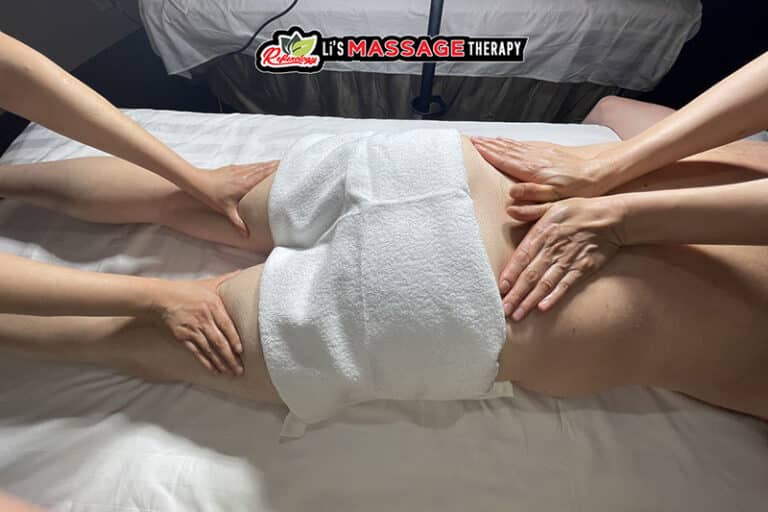
Living with chronic pain can feel like carrying an invisible weight that never quite lifts. Whether it’s a nagging lower back ache, persistent neck tension, or widespread muscle discomfort, the impact on your daily life is very real. The good news? Massage therapy has emerged as one of the most effective, drug-free approaches to managing chronic pain, and we’re not just talking about temporary relief.
At our practice, we’ve seen firsthand how the right massage technique can transform someone’s quality of life. But here’s the thing: not all massage is created equal when it comes to addressing chronic pain. Different techniques target different issues, and understanding which approach works best for your specific condition can make all the difference. In this guide, we’ll walk you through the top massage techniques for chronic pain relief and help you find the one that fits your needs.
Understanding Chronic Pain and How Massage Helps
Chronic pain is typically defined as pain lasting longer than three to six months, well beyond the normal healing time for most injuries. It affects an estimated 50 million adults in the United States alone, making it one of the most common reasons people seek medical care. Unlike acute pain, which serves as a warning signal, chronic pain often persists even after the original injury has healed. The nervous system essentially gets stuck in “alert mode.”
So how does massage actually help? It works on multiple levels. Physically, massage increases blood flow to affected areas, delivering oxygen and nutrients while flushing out metabolic waste products that contribute to muscle soreness. It also reduces muscle tension and breaks up adhesions, those stubborn knots that form in overworked or injured tissue.
But there’s more going on beneath the surface. Massage triggers the release of endorphins, your body’s natural painkillers. It also lowers cortisol levels (the stress hormone) while boosting serotonin and dopamine, neurotransmitters associated with feelings of well-being. This dual action on both the physical and neurological aspects of pain makes massage particularly effective for chronic conditions.
Research backs this up. Studies have shown that regular massage therapy can reduce pain intensity, improve range of motion, and decrease reliance on pain medications for conditions ranging from fibromyalgia to chronic lower back pain. The key is finding the right technique for your specific situation.
Swedish Massage for General Pain Management
When most people picture a massage, they’re thinking of Swedish massage. It’s the foundation of Western massage therapy and remains one of the most popular choices for good reason, especially for those dealing with widespread, generalized pain.
Swedish massage uses five main techniques: effleurage (long, gliding strokes), petrissage (kneading), friction (circular pressure), tapotement (rhythmic tapping), and vibration. Together, these movements promote relaxation, improve circulation, and ease overall muscle tension without the intensity of deeper techniques.
For chronic pain sufferers, Swedish massage offers several advantages. The gentler pressure makes it accessible even for those with heightened pain sensitivity. It’s excellent for addressing the stress and anxiety that often accompany chronic pain conditions, and let’s be honest, the mental toll of living with persistent pain is significant. The relaxation response triggered by Swedish massage can help interrupt the pain-tension-stress cycle that keeps many people trapped in discomfort.
We often recommend Swedish massage as a starting point for clients new to massage therapy or those whose pain is accompanied by significant muscle guarding. It’s also ideal for full-body sessions where the goal is general pain management rather than targeting specific problem areas. Our full body massage can be tailored to incorporate Swedish techniques alongside other approaches like Shiatsu or trigger point work, depending on what your body needs that day.
Deep Tissue Massage for Muscle Tension
If Swedish massage is a gentle wave, deep tissue massage is more like a firm, focused current reaching the deeper layers of muscle and connective tissue. This technique is particularly valuable for chronic muscle tension that doesn’t respond to lighter pressure.
Deep tissue massage targets the chronic muscle tension that builds up deep below the body’s surface. The approach involves slow strokes, direct pressure, and friction movements applied across the muscle grain. Your therapist will use their fingers, knuckles, elbows, and sometimes forearms to reach those stubborn layers of tissue that hold onto tension.
This technique excels at addressing:
- Chronic back and neck pain
- Repetitive strain injuries
- Postural problems
- Limited mobility due to muscle tightness
- Recovery from injuries (once acute inflammation has subsided)
A word of caution: deep tissue work can be intense. Some discomfort during the session is normal, we often describe it as “good pain” that feels productive. But, it shouldn’t be excruciating. Communication with your therapist is essential. We always encourage clients to speak up during the session to find what works best for them.
You may experience some soreness for a day or two after a deep tissue session, similar to what you’d feel after a challenging workout. This is normal and typically gives way to significant relief. Staying hydrated and applying heat to treated areas can help minimize post-massage soreness.
For those dealing with chronic muscle tension, we’ve found that regular deep tissue sessions, typically every two to four weeks, produce the best long-term results.
Trigger Point Therapy for Localized Pain
Ever pressed on a spot in your shoulder and felt pain shoot down your arm? That’s likely a trigger point, a hyperirritable spot within a taut band of muscle that can cause local and referred pain. Trigger point therapy specifically targets these troublesome knots.
Trigger points develop for various reasons: poor posture, repetitive movements, stress, injury, or even prolonged inactivity. What makes them particularly frustrating is their ability to cause pain in seemingly unrelated areas. A trigger point in your upper back might be responsible for headaches. One in your hip could be contributing to knee pain.
During trigger point therapy, your therapist locates these sensitive spots through careful palpation and applies sustained pressure, typically for 30 to 90 seconds, until the tissue releases. It’s not the most comfortable experience in the moment, but the relief afterward can be remarkable. Many clients describe it as a “releasing” sensation followed by significantly reduced pain.
This technique is especially effective for:
- Tension headaches and migraines
- Temporomandibular joint (TMJ) pain
- Lower back pain
- Sciatica-like symptoms
- Shoulder and neck stiffness
- Repetitive strain injuries
Trigger point work is often incorporated into broader massage sessions. Our therapists are trained to identify trigger points during a full body massage and address them as part of a comprehensive treatment. Some clients come in specifically for targeted trigger point therapy when they know exactly where their pain originates.
Myofascial Release for Connective Tissue Pain
Fascia doesn’t get nearly enough attention. This thin, tough connective tissue surrounds every muscle, bone, nerve, and organ in your body, creating a continuous web from head to toe. When fascia becomes restricted due to injury, inflammation, or chronic tension, it can cause widespread pain and limited mobility that doesn’t respond well to traditional muscle-focused massage.
Myofascial release takes a different approach. Instead of working directly on muscles, this technique applies gentle, sustained pressure to fascial restrictions. The therapist will hold stretches for extended periods, sometimes several minutes, waiting for the tissue to soften and release. It feels quite different from other massage techniques: the pressure is lighter but the holds are longer.
This method is particularly beneficial for:
- Fibromyalgia and chronic fatigue syndrome
- Post-surgical scarring and adhesions
- Chronic headaches
- Carpal tunnel syndrome
- Back pain that doesn’t respond to other treatments
- Overall feelings of tightness or restriction
One of the interesting things about myofascial release is that the effects often aren’t immediate. Many clients report feeling somewhat strange or “floaty” right after a session, with the full benefits emerging over the following days as the fascial system continues to respond to the work.
For chronic pain conditions involving widespread discomfort or a feeling of being “stuck,” myofascial release can be a game-changer. We often combine it with other techniques in a combination massage approach, addressing both the muscular and fascial components of pain.
How to Choose the Right Massage Technique for Your Pain
With so many options, how do you know which massage technique is right for you? Here’s a practical framework we use when helping clients decide:
Consider the nature of your pain:
- Generalized, widespread discomfort → Swedish massage or myofascial release
- Deep, persistent muscle tension → Deep tissue massage
- Specific painful spots that radiate → Trigger point therapy
- Tightness and restricted movement → Myofascial release or Thai massage
Think about your pain tolerance:
If you’re new to massage or have heightened sensitivity, starting with Swedish massage makes sense. You can always progress to deeper work as your body adapts.
Consider your goals:
Are you looking for immediate relief, long-term management, or both? Trigger point therapy often provides quick results for localized pain, while techniques like myofascial release tend to build benefits over time.
Don’t overlook combination approaches:
Honestly? Most chronic pain conditions respond best to a combination of techniques. Our therapists often blend methods within a single session, perhaps starting with Swedish strokes to warm up the tissue, then moving into deeper work or trigger point therapy where needed.
The best approach is often collaborative. When you work with our highly qualified massage therapists, we’ll discuss your pain patterns, medical history, and preferences before designing a treatment plan. And that plan will likely evolve. What works in month one might need adjustment as your body changes and heals.
One more thing: consistency matters. A single massage session can provide temporary relief, but addressing chronic pain typically requires regular treatment. We generally recommend starting with weekly or bi-weekly sessions, then transitioning to maintenance visits once you’re seeing sustained improvement.
Conclusion
Chronic pain doesn’t have to define your life. The massage techniques we’ve covered, Swedish, deep tissue, trigger point therapy, and myofascial release, each offer distinct pathways to relief, and often the most effective approach combines elements of several methods tailored to your unique needs.
What we’ve learned from years of helping clients manage chronic pain is this: the body has a remarkable capacity to heal when given the right support. Massage therapy creates the conditions for that healing, reducing tension, improving circulation, calming the nervous system, and breaking the cycle of pain and stress that keeps so many people stuck.
If you’re ready to explore how massage can help relieve your chronic pain, we’re here to help. Our therapists specialize in numerous types of massage and health-promoting touch designed to restore both physical and psychological wellness. Whether you’re drawn to a full-body massage, Thai massage, foot massage, or a combination approach, we’ll work with you to find what brings the greatest relief. Call us today or book an appointment online, your path to better pain management starts with a single session.
