
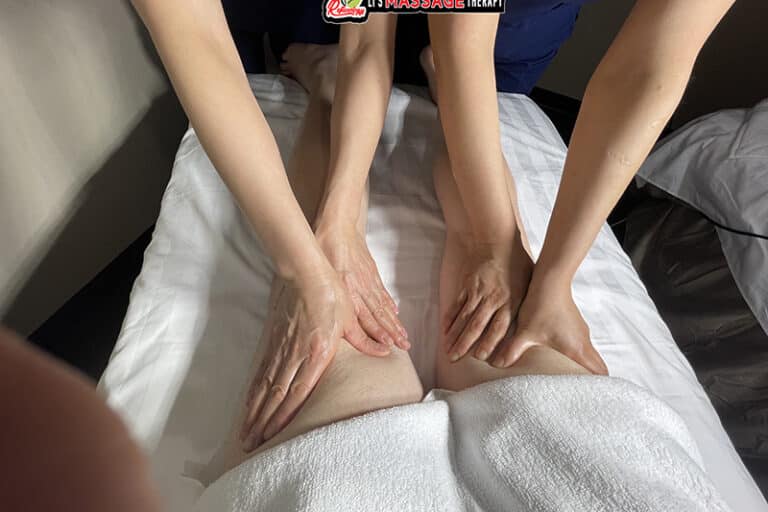
If you’ve ever had a stubborn knot in your shoulder that just won’t quit, no matter how much you stretch or roll it out, you’ve likely encountered a trigger point. These tight, tender spots can be incredibly frustrating, radiating pain to other areas of your body and affecting everything from your posture to your sleep quality.
At Li’s Massage Therapy and Reflexology, we see clients dealing with trigger points all the time. And here’s the good news: trigger point massage is one of the most effective ways to address these problem areas and get lasting relief. Whether you’re an athlete pushing through intense training, someone who spends hours at a desk, or just dealing with the everyday stresses that cause muscle tension, understanding how trigger point therapy works can be a game-changer for your well-being.
In this guide, we’ll walk you through exactly what trigger points are, how they form, and what happens during a trigger point massage session. We’ll also cover the conditions that respond best to this therapy and share tips to help you maximize your results.
Understanding Trigger Points and How They Form
Trigger points are essentially hyperirritable spots within a taut band of skeletal muscle. Think of them as small, localized areas where muscle fibers have become stuck in a contracted state. Unlike a general muscle ache, trigger points create what’s called “referred pain”, meaning the discomfort you feel might show up somewhere completely different from where the actual trigger point is located.
For example, a trigger point in your upper trapezius muscle (that big muscle running from your neck to your shoulder) can cause headaches that wrap around to your temple. A trigger point in your glutes might send shooting pain down your leg. This referral pattern is one reason why so many people struggle to find the true source of their pain.
Medically, trigger points are sometimes called myofascial trigger points because they involve both muscle tissue (myo) and the connective tissue surrounding it (fascia). When these areas become irritated, they can restrict blood flow, compress nerves, and create a cycle of tension and pain that’s hard to break without targeted intervention.
Common Causes of Trigger Points
Trigger points don’t just appear out of nowhere. They typically develop as a result of:
- Muscle overuse or repetitive strain – Doing the same motion over and over (typing, lifting, or even scrolling on your phone) can exhaust specific muscle groups.
- Poor posture – Slouching at a desk or hunching over a steering wheel puts constant strain on certain muscles while others become weak and underused.
- Acute injury or trauma – A car accident, fall, or sports injury can cause muscles to tighten protectively and develop trigger points.
- Stress and tension – When we’re anxious or stressed, we tend to hold tension in predictable places, often the neck, shoulders, and jaw.
- Sedentary lifestyle – Sitting for extended periods causes muscles to shorten and stiffen, creating prime conditions for trigger points.
- Sleep position – Sleeping in awkward positions night after night can overload certain muscles.
Understanding what’s causing your trigger points is half the battle. Once we identify the root cause, we can work together to address not just the immediate pain but also prevent new trigger points from forming.
How Trigger Point Massage Works
Trigger point massage targets these specific areas of muscle tension with focused, sustained pressure. The goal isn’t just to feel good in the moment (though it certainly can), it’s to release the contracted muscle fibers and restore normal function to the tissue.
When pressure is applied to a trigger point, several things happen at the physiological level. First, the sustained compression helps increase blood flow to the area, which has often been restricted due to the muscle contraction. Fresh blood brings oxygen and nutrients while flushing out metabolic waste products that have accumulated in the tissue.
Second, the pressure sends a signal to the nervous system that essentially tells the muscle to “let go.” This neurological reset is why you might feel an immediate sense of release when a trigger point finally gives way. Some people describe it as a satisfying ache followed by relief.
At Li’s Massage Therapy and Reflexology, we often incorporate trigger point work into our full body massage and deep tissue massage sessions. Deep tissue massage targets chronic muscle tension deep below the body’s surface using slow strokes, direct pressure, or friction movements across the muscle grain, techniques that complement trigger point therapy beautifully.
Techniques Used During Treatment
Our massage therapists use several approaches when addressing trigger points:
- Ischemic compression – This involves applying steady, direct pressure to the trigger point for 30–90 seconds until the tissue releases. The pressure temporarily restricts blood flow, and when released, fresh blood rushes into the area.
- Deep stroking massage – Slow, deep strokes along the length of the muscle fiber help lengthen the tissue and release tension.
- Myofascial release – Gentle, sustained pressure on the fascia (connective tissue) helps free up restrictions that may be contributing to trigger points.
- Stretching – We often follow compression techniques with gentle stretching to help the muscle maintain its new, lengthened state. This is similar to the passive stretching used in our Thai massage sessions, where your therapist helps guide you through movements.
- Friction techniques – Cross-fiber friction can help break up adhesions and scar tissue around trigger points.
The specific techniques we use depend on your individual needs, the location of your trigger points, and your tolerance for pressure. We communicate throughout the session to find what works best for you.
Key Benefits of Trigger Point Massage
So why should you consider trigger point massage? The benefits extend well beyond just “feeling relaxed” (though that’s certainly a nice perk). Here’s what regular trigger point therapy can do for you:
Pain relief that actually lasts. Unlike taking a painkiller that masks symptoms, trigger point massage addresses the underlying cause of many chronic pain conditions. When the trigger point releases, the pain often goes with it, sometimes immediately.
Improved range of motion. Tight, knotted muscles restrict your movement. Once trigger points are released, you may notice you can turn your head further, reach higher, or bend more easily. This is especially valuable for athletes and anyone whose daily activities require flexibility.
Better posture. When certain muscles are constantly contracted, they pull your body out of alignment. Releasing these areas allows your body to return to a more natural, balanced posture, which in turn reduces strain on other muscles and joints.
Reduced headaches and migraines. Many tension headaches and even some migraines are linked to trigger points in the neck, shoulders, and upper back. Addressing these can significantly reduce headache frequency and intensity.
Decreased stress and anxiety. Chronic muscle tension and pain take a toll on your mental health. When your body isn’t constantly fighting discomfort, your nervous system can relax. Many of our clients report feeling calmer and sleeping better after regular sessions.
Enhanced athletic performance. Athletes who incorporate trigger point massage into their training often experience faster recovery times, reduced injury risk, and improved performance overall.
Prevention of chronic pain patterns. Left untreated, trigger points can lead to compensatory patterns where other muscles overwork to make up for the dysfunction. Addressing trigger points early prevents these cascading problems.
Conditions That Respond Well to Trigger Point Therapy
Trigger point massage isn’t a cure-all, but it’s remarkably effective for a wide range of conditions. Here are some of the issues we commonly treat at Li’s Massage Therapy and Reflexology:
Tension headaches and migraines – Trigger points in the suboccipital muscles (at the base of your skull), trapezius, and sternocleidomastoid (the muscle running down the side of your neck) are frequent culprits behind head pain.
Neck pain and stiffness – Whether from desk work, sleeping wrong, or whiplash, neck trigger points respond exceptionally well to targeted massage.
Lower back pain – The quadratus lumborum, psoas, and gluteal muscles often harbor trigger points that cause or contribute to low back issues.
Sciatica-like symptoms – Sometimes what feels like sciatica is actually referred pain from trigger points in the piriformis or gluteus minimus muscles.
TMJ dysfunction – Jaw pain, clicking, and tension often involve trigger points in the masseter and temporalis muscles.
Fibromyalgia – While fibromyalgia is a complex condition, many patients find relief through gentle trigger point work combined with other massage techniques.
Repetitive strain injuries – Conditions like tennis elbow, carpal tunnel syndrome symptoms, and rotator cuff issues often have a trigger point component.
Post-injury recovery – Our foot massage and other specialized treatments can help address acute pain, post-injury, and post-surgery recovery by targeting trigger points that develop as protective responses to trauma.
Chronic muscle tension from stress – If you carry your stress in your shoulders, jaw, or back, regular trigger point massage can help break the cycle.
It’s worth noting that trigger point therapy works best as part of a comprehensive approach. We often combine it with other modalities we offer, including reflexology, combination massage, and deep tissue work, to give you the most complete relief possible.
What to Expect During a Session
If you’ve never had a trigger point massage before, you might be wondering what the experience is like. Here’s a walkthrough of what happens when you visit us in Centennial or Highlands Ranch.
Before your session: We’ll start with a brief conversation about your health history, current pain or tension areas, and what you’re hoping to achieve. This helps us tailor the treatment specifically to you. Don’t hold back, the more we know, the better we can help.
During the massage: You’ll lie on a comfortable massage table, typically undressed to your comfort level and draped with sheets. Your therapist will use their hands, fingers, and sometimes elbows to locate trigger points. When they find one, you might feel a “good hurt”, that sensation of tenderness that you instinctively know is addressing the problem.
Communication is key here. We’ll check in about pressure levels and want you to speak up if anything feels too intense or if you notice referred pain patterns. Some trigger points release quickly: others take more time and may require multiple sessions to fully resolve.
Possible sensations: It’s normal to feel some discomfort when a trigger point is being worked on. Many people describe a rating of 5–7 on a 1–10 pain scale as the “sweet spot”, enough pressure to be therapeutic but not so much that you’re tensing against it. You might also feel twitching, warmth, or a sudden release as the muscle lets go.
After your session: Some soreness in the treated areas for 24–48 hours is completely normal and actually a sign that the therapy is working. Drinking plenty of water, applying heat, and doing gentle stretches can help. Most clients notice significant improvement within a day or two as the muscles settle into their new, relaxed state.
Session length varies depending on your needs. Some clients come in for focused 30-minute sessions targeting specific problem areas, while others prefer longer appointments that address multiple regions or combine trigger point work with a full body massage.
Tips for Getting the Most From Your Treatment
Want to maximize the benefits of your trigger point massage? Here are some practical tips we share with our clients:
Stay hydrated. Drink plenty of water before and after your session. Well-hydrated muscles respond better to treatment, and water helps flush out the metabolic waste released during massage.
Communicate openly. Tell your therapist exactly where you’re feeling pain, how intense the pressure feels, and whether certain techniques are working for you. We communicate with clients throughout the session to find what works best for them, but we need your feedback to do our best work.
Don’t wait until you’re in agony. Regular maintenance sessions are more effective than waiting until you’re in severe pain. Think of it like oil changes for your car, prevention is easier than repair.
Follow through with assignments. Your therapist may suggest specific stretches, self-massage techniques, or postural adjustments to do between sessions. These recommendations aren’t just suggestions: they’re an important part of your treatment plan.
Address the root cause. If your trigger points keep coming back, think about what’s causing them. Do you need a more ergonomic workstation? Better sleep posture? Stress management techniques? We can help you identify patterns and solutions.
Be patient with chronic issues. If you’ve had trigger points for years, they won’t disappear after one session. Commit to a series of treatments and give your body time to adapt.
Consider combination approaches. At Li’s Massage Therapy and Reflexology, we offer various modalities that complement trigger point work. A combination massage consisting of feet, shoulders, neck, and back treatments might be exactly what you need for comprehensive relief.
Schedule at the right time. If possible, book your appointment when you don’t have to rush back to stressful activities. Give yourself time to relax afterward and let the benefits sink in.
Conclusion
Trigger point massage offers a targeted, effective approach to chronic pain and muscle tension that many people struggle with daily. By addressing the actual source of referred pain, those stubborn, knotted areas in your muscles, this therapy can provide relief that other treatments simply can’t match.
Whether you’re dealing with persistent headaches, nagging back pain, or just the accumulated tension of modern life, trigger point work might be the missing piece in your wellness routine. And when combined with other therapeutic approaches like deep tissue massage, Thai massage, or reflexology, the results can be even more profound.
At Li’s Massage Therapy and Reflexology, our highly qualified massage therapists specialize in numerous types of massage and health-promoting touch to help you relax and keep calm. We’re here to help relieve pain and stress to restore physical and psychological wellness, serving clients throughout Centennial and Highlands Ranch, Colorado.
Ready to experience the benefits of trigger point massage for yourself? Call us today or book an appointment online. Your muscles will thank you.
